 Site • RSS • Apple Podcasts
Description (podcaster-provided):
A Million Little Gods: A podcast on the consolation of uncertainty. It's about being of two—or more—minds about things and being okay with that. Hosted by Aaron Gowen of the Institute for English and American Studies at the University of Hamburg. amillionlittlegods.comThemes and summary (AI-generated based on podcaster-provided show and episode descriptions):
➤ philosophy of uncertainty • selfhood and consciousness • science and epistemology • race as social/scientific category • statistics, Bayesian modeling, machine learning • language and categorization • morality, aesthetics, cultural judgment • Catholic theology vs modernity • Argentine political history and ideologyThis podcast mixes philosophy, cultural analysis, and linguistics with sound-rich, essayistic storytelling. Across its seasons, it returns to a central concern: how people form—and live with—uncertainty about big ideas such as the nature of the self, what counts as knowledge, and how moral and social categories take shape. Conversations with philosophers, historians of science, journalists, and scientists are woven into audio essays that treat concepts as things with histories: they are built, disputed, revised, and sometimes defended as if they were facts.
A major throughline is the status of human categories, especially “race,” approached through questions about natural kinds, social construction, and the real-world consequences of classification. The show also leans into the tools and limits of modern reasoning, exploring topics like statistics, Bayesian thinking, and machine learning—sometimes using cultural domains (such as sports analytics) to clarify how models create “ballpark” truths and how adding variables changes what we think we see.
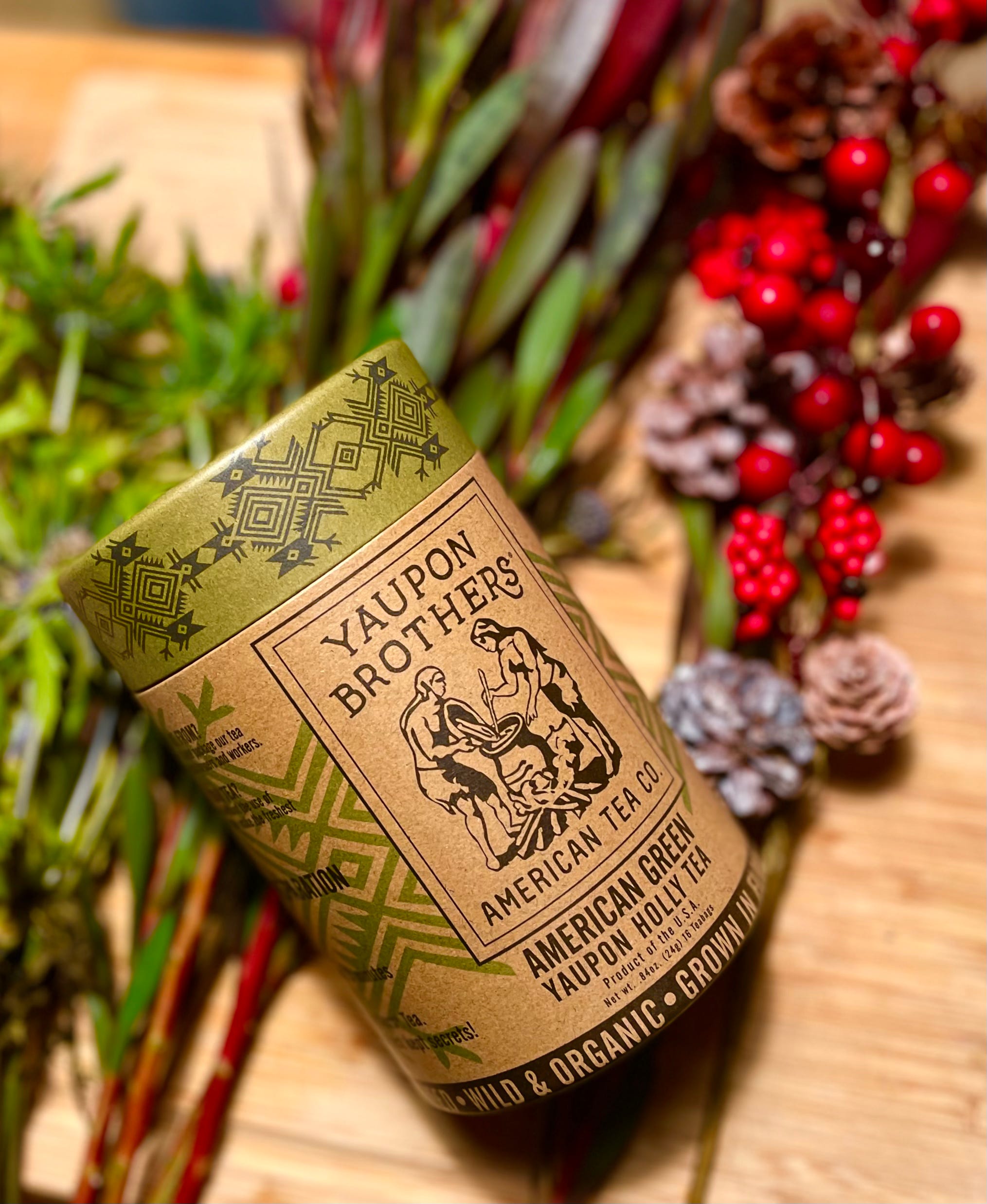
Alongside analytic themes, this podcast engages religion and modernity, including tensions between faith, empiricism, and philosophical systems, and it situates ideas in political and historical narratives. Recent material points toward a long-form, semi-literary project that blends Argentine political history with reflections on ideology, institutions, and competing accounts of reality. Occasional specials broaden the scope into interviews on culture, moral judgment, and traditions around food and drink, while maintaining the show’s interest in how meanings are made and contested.