 Site • RSS • Apple Podcasts
Description (podcaster-provided):
We take your questions about life, Earth and the universe to researchers hunting for answers at the frontiers of knowledge.Themes and summary (AI-generated based on podcaster-provided show and episode descriptions):
➤ listener-driven science explanations •space hazards and astrobiology •Earth geology, volcanoes, sea level, tsunamis •animal and plant evolution, behaviour, cognition •human psychology, senses, health •everyday physics and technologyThis podcast answers listener-submitted questions by taking them to scientists, engineers, and other researchers, using real-world reporting and interviews to unpack how the world works. Across the episodes, the focus ranges from everyday experiences—like why we itch, cry, tan, struggle with face recognition, feel introverted, or become attached to objects—to the biology and behaviour of other organisms, including how plants and fungi vary from one individual to another, how insects time their life cycles, and what animals remember, communicate, or do around death. Evolution and adaptation recur often, from anatomical traits such as tongues and opposable thumbs to questions about pollination, camouflage, and colouration.
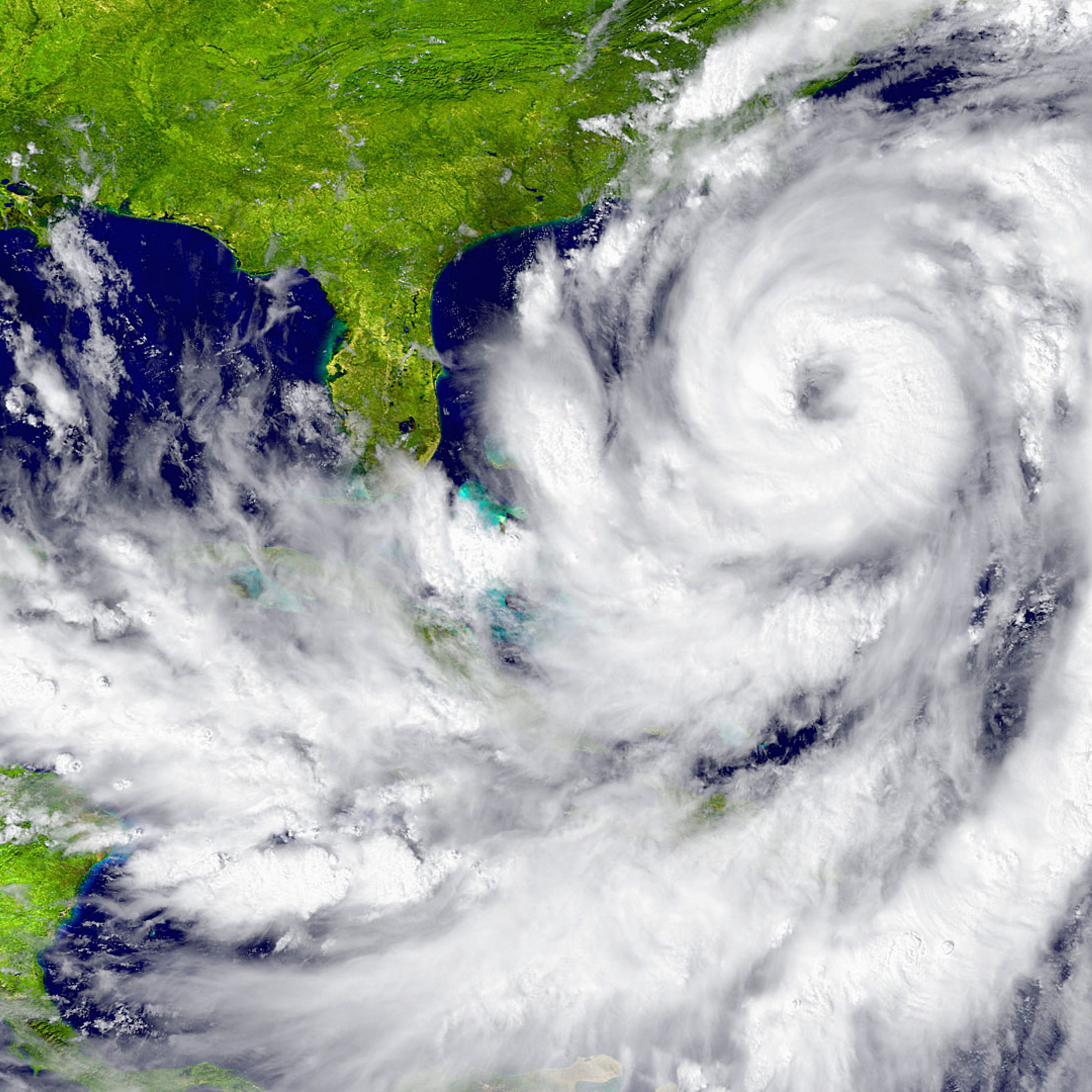
A strong thread of physics and technology runs through the series as well, with explorations of wireless communication, electromagnetic waves, sound and light manipulation, materials and folding, recording senses, and the capabilities and limits of AI-generated voices and presenters. Earth science and climate-related topics appear frequently, including sea-level change, tsunamis, volcano monitoring, desertification and proposed interventions, and efforts to protect large ecosystems such as coral reefs. Space and deep-time questions broaden the scope further, touching on meteors, astrobiology and planetary protection, the chemistry and origins of the universe, atomic stability, and what long-lasting traces human civilisation might leave in the geological record.
Overall, the episodes use specific curiosities as entry points into wider scientific ideas, often combining lab explanations, fieldwork, and the psychology of how humans perceive patterns, risk, and meaning.