 Site • RSS • Apple Podcasts
Description (podcaster-provided):
Sum of All Parts tells extraordinary stories about the unseen influence that numbers have on the way we think, feel and behave.Themes and summary (AI-generated based on podcaster-provided show and episode descriptions):
➤ Numbers shaping human behavior and decisions •Fact-checking data behind disasters and risk •Mathematical patterns, infinity, and networks •Music and technology through quantitative lenses •History, crime, inequality, superstitionThis podcast uses narrative storytelling to explore how numbers and quantitative thinking shape everyday life, culture, and major public events. Across its episodes, it examines the origins, reliability, and consequences of statistics—such as how figures are produced during crises and how people interpret risk and make decisions under pressure. It also looks at patterns in data that can influence judgments in high-stakes settings, including questions of evidence, probability, and whether apparent trends point to wrongdoing or chance.
A recurring theme is the way measurement systems and counting conventions influence behavior and belief, from practical debates about units to the persistence of superstition and the human urge to find meaning in numbers. The show frequently connects mathematics and statistics to personal stories, using individual experiences to illustrate larger ideas about uncertainty, prediction, and how we perceive the world.
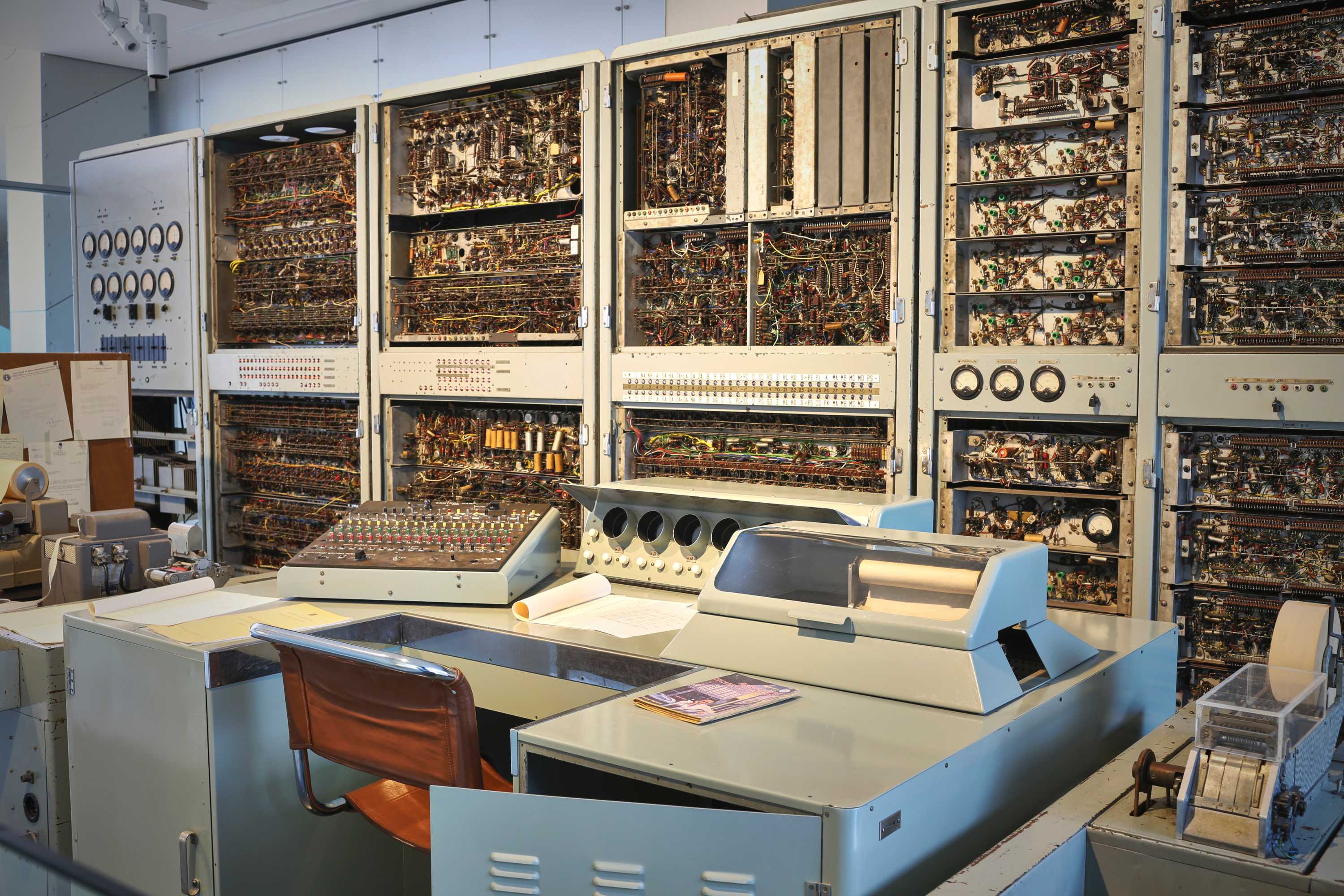
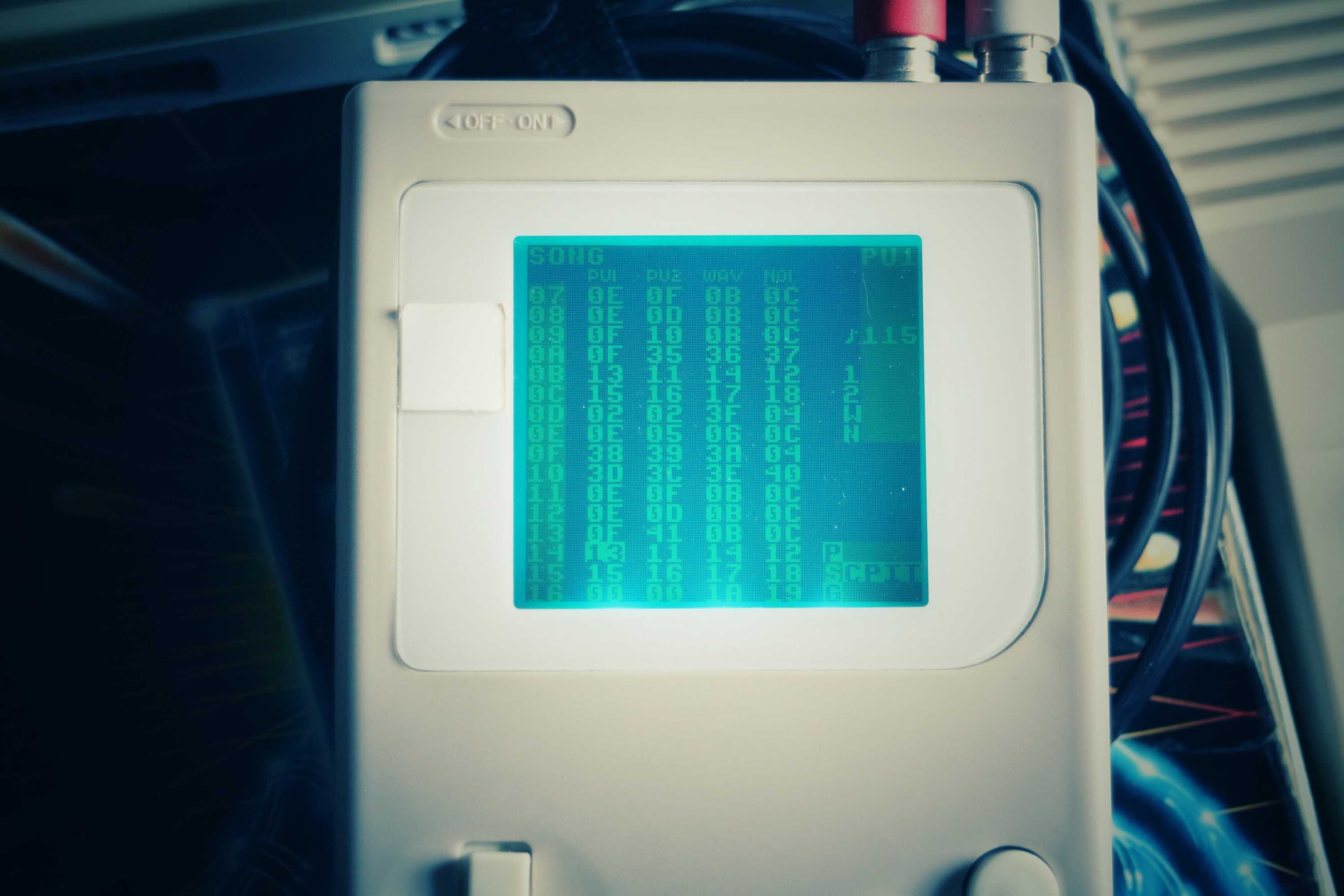
The podcast also ranges into science, history, and technology, tracing the hidden quantitative threads behind topics like extinction, networks of social connection, and early computer culture. Music features prominently as a lens for investigating rhythm, harmony, and the technical details behind famous sounds, including how digital devices can become instruments and how recordings can be analyzed. Along the way, it highlights notable figures and unusual biographies to show how numerical thinking intersects with creativity, ethics, and identity.