 Site • RSS • Apple Podcasts
Description (podcaster-provided):
Starry Time is a weekly podcast hosted by two sisters who bring their love of astronomy and mythology to reading and retelling the stories of the night sky.Themes and summary (AI-generated based on podcaster-provided show and episode descriptions):
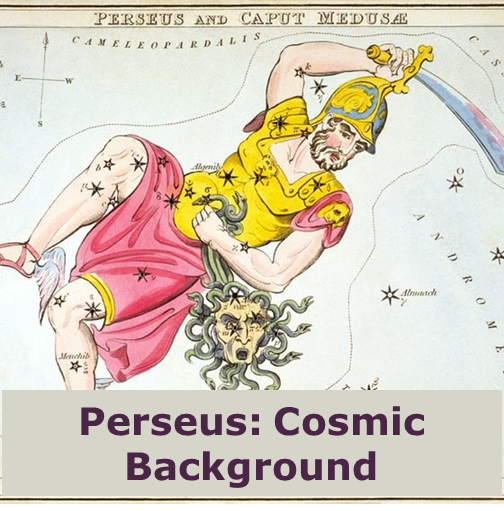
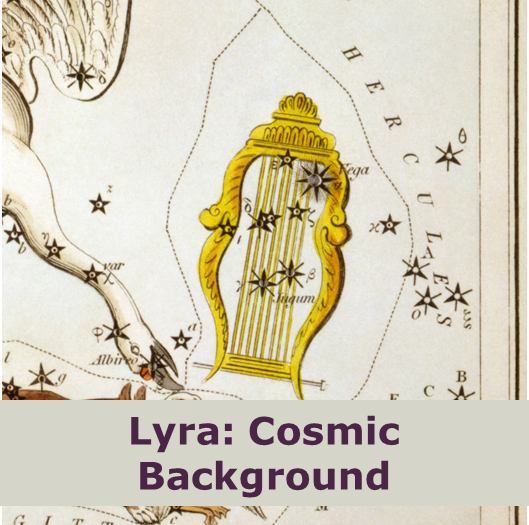
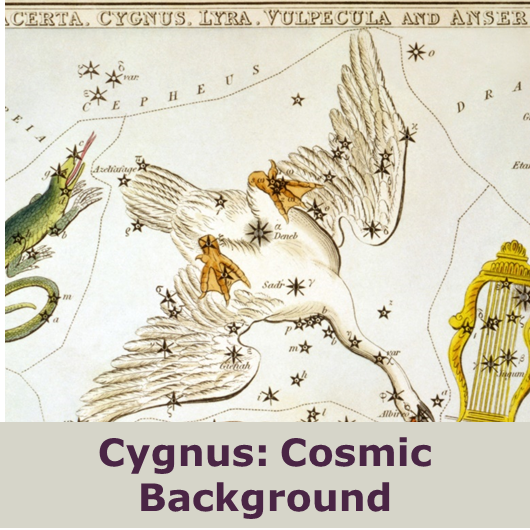
➤ astronomy and constellation guides • Greco-Roman, Babylonian, Norse, Indigenous myth retellings • star lore and navigation • women in astronomy, comets, sunspots, auroras • space objects (nebulae, galaxies, exoplanets) • pop-culture/branding riffs • animal “Creature Corner” tie-insThis podcast is a weekly show hosted by two sisters who combine astronomy and mythology to tell stories connected to the night sky. Across the episodes, the hosts repeatedly use constellations and related sky features as a framework for learning: they describe where a constellation can be found, what it looks like, and notable objects within or near it, often highlighting bright stars, variable stars, nebulae, galaxies, star clusters, and other astronomical phenomena. The science segments frequently touch on observational basics and historical context, including astronomers and naming traditions.
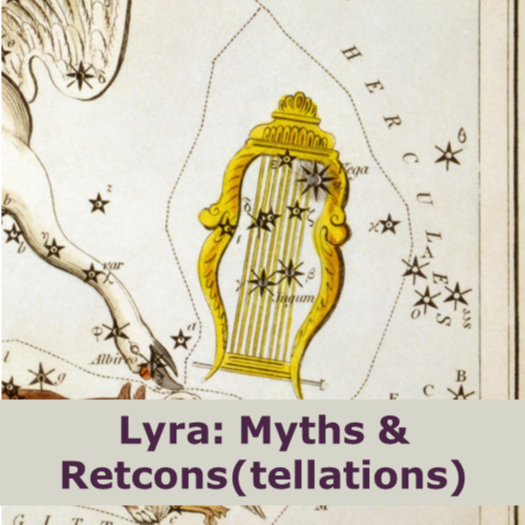
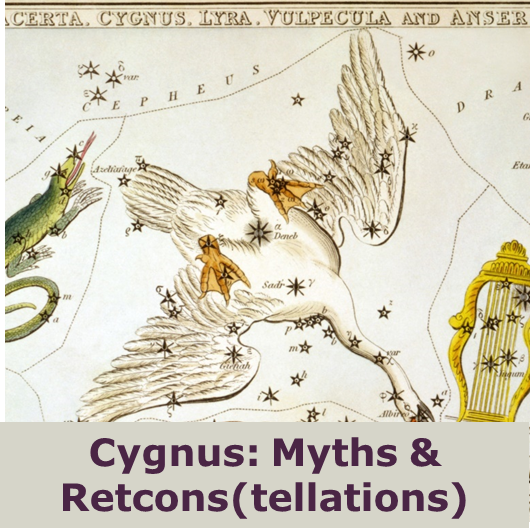
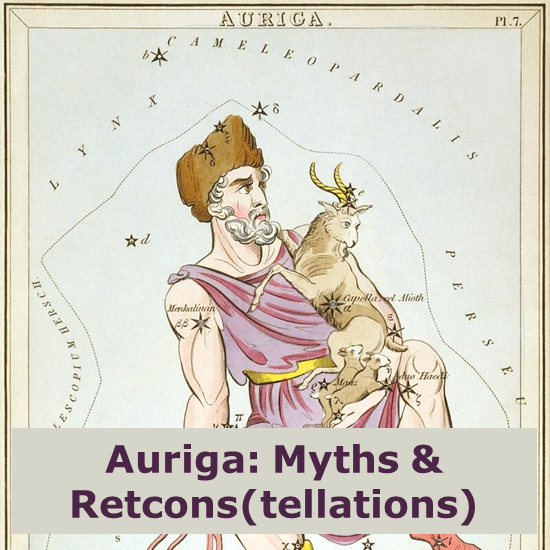
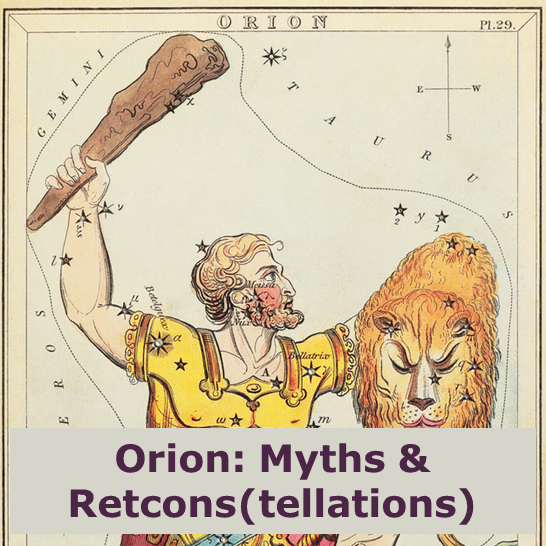
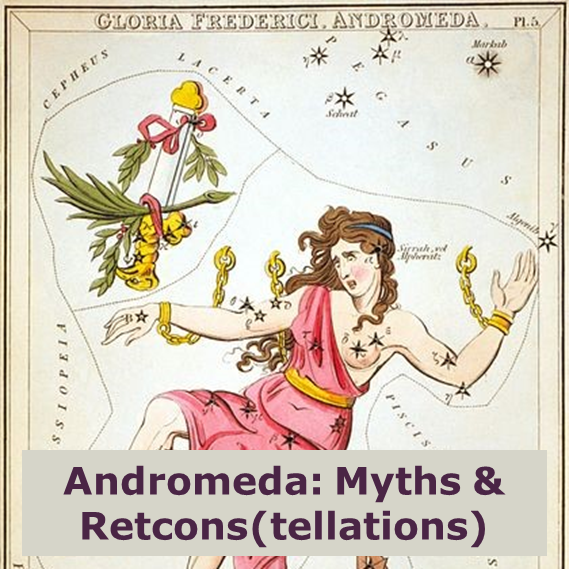
Mythology and folklore are a second major pillar. The hosts retell Greco-Roman myths associated with constellations and also bring in wider traditions (such as Babylonian, Chinese, Norse, and other cultural star lore) when relevant. A recurring format includes analyzing a myth’s themes and then creatively “retconning” or reimagining the story, sometimes inventing a myth for constellations without a classical narrative attached. Some episodes also incorporate an “Oracle” segment that uses AI-generated storytelling as a prompt or contrast to their own versions.
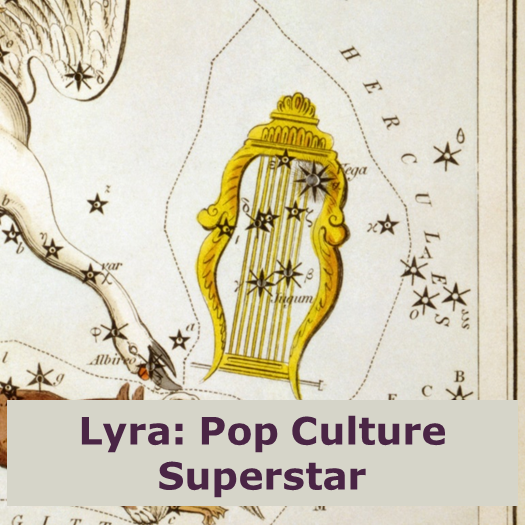
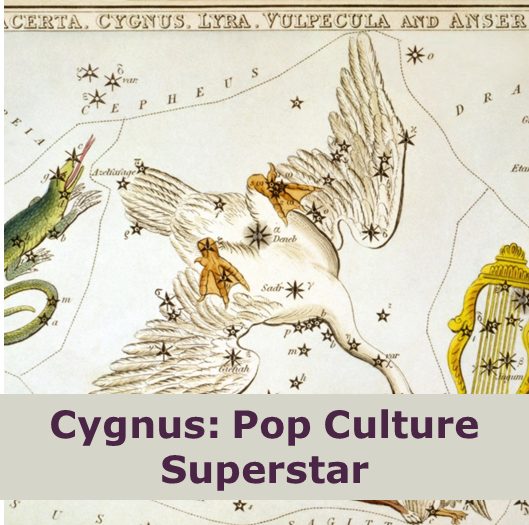
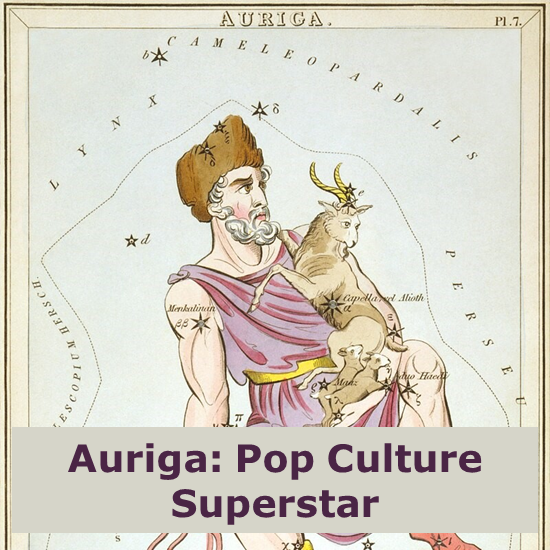
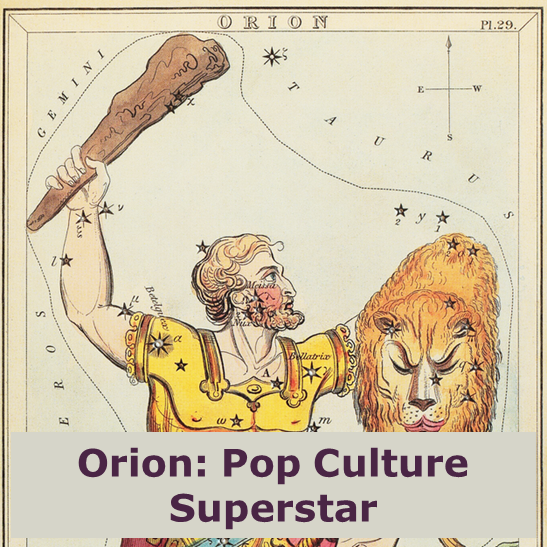
In addition to sky lore, this podcast branches into themed installments: profiles of historical figures in astronomy (including women astronomers), explanations of solar system topics and space weather (such as comets, sunspots, auroras, and Jupiter’s moons), and “Creature Corner” episodes that connect constellations to real animals with discussion of biology, behavior, and conservation. Lighter episodes examine how constellation names and related ideas appear in pop culture, branding, and media, alongside imaginative “wish upon a star” rebranding exercises.