
 Site • RSS • Apple Podcasts
Description (podcaster-provided):
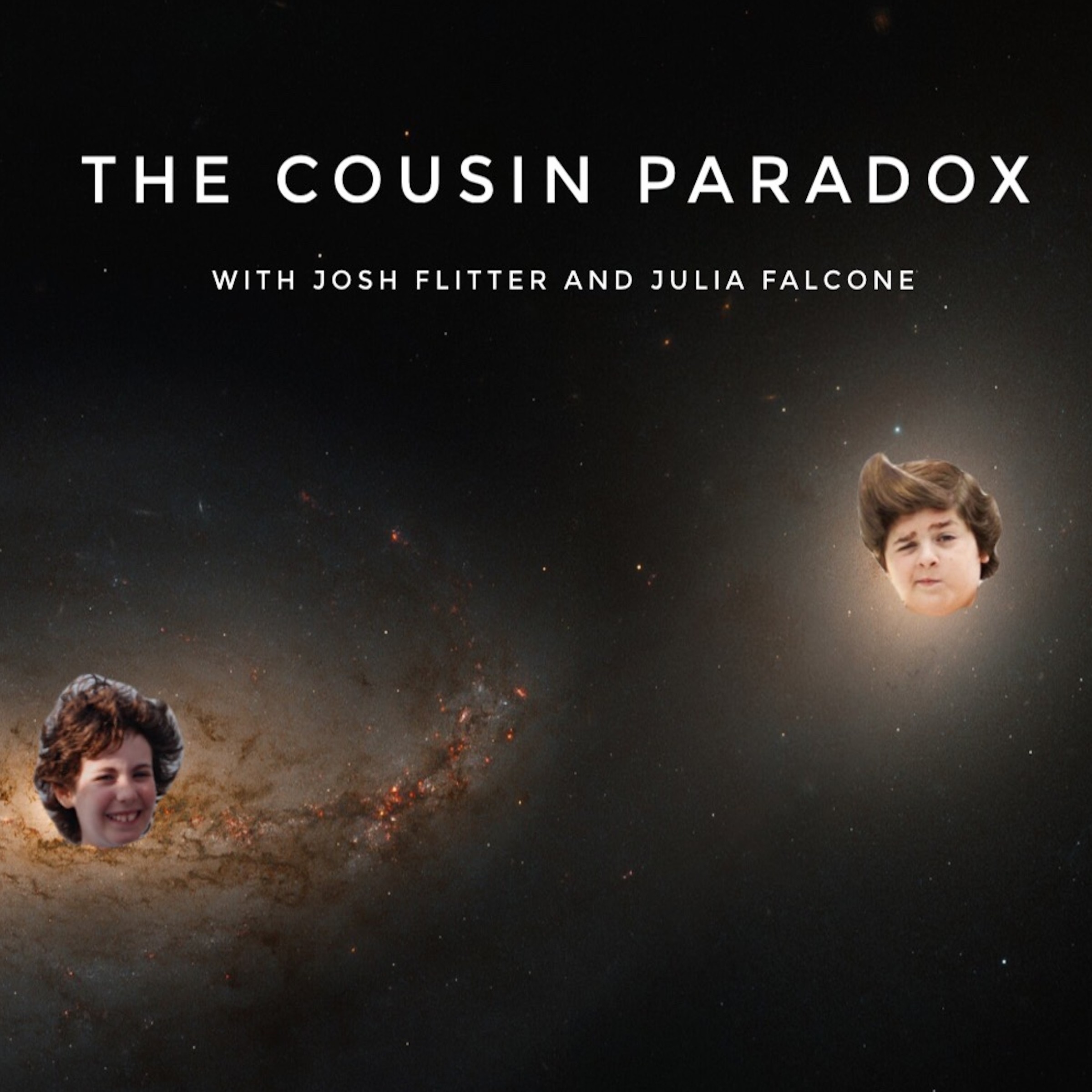
Co-host’s and cousins Julia Falcone and Josh Flitter are here to make space exploration a little sillier! Julia Falcone is a graduate student at Georgia State University studying the effects that supermassive black holes have on their galaxies. She has a strong passion for science communication and improv. In her free time, Julia can be found having way too many opinions about movies, knitting and sewing funky outfits, and organizing coworkers in her union. Josh Flitter is an actor, comedian, and improvisor who has been in the entertainment industry since he was 5 years old. He has starred in movies such as License to Wed, Nancy Drew, and Ace Ventura Jr. Josh has always had an interest in astronomy, and luckily for all of us, his cousin Julia happens to be an astronomer. Josh and Julia are excited by the potential to combine comedy and science in this podcast.Themes and summary (AI-generated based on podcaster-provided show and episode descriptions):
➤ Space exploration with comedy • astronomy basics • solar eclipses and safe viewing • stellar life cycles • star death and evolutionThis podcast blends space science with comedic banter, hosted by cousins Julia Falcone, an astronomy graduate student focused on how supermassive black holes affect their galaxies, and Josh Flitter, an actor and improviser with a longtime interest in astronomy. Across the episodes, the hosts introduce themselves and set a tone that aims to make space exploration feel approachable and playful, using humor and improvisational energy alongside basic scientific explanations.
The content centers on astronomy topics that many listeners encounter in the news or in everyday curiosity, such as major sky events and fundamental stellar processes. Discussions include what a solar eclipse is and how to observe one safely, as well as what happens over a star’s lifetime, including how stars end and the kinds of “star death” outcomes that can occur. The overall approach emphasizes science communication in a casual, conversational format, with jokes and lighthearted commentary used to keep the material engaging while still conveying core ideas about how celestial phenomena work.
| Episodes: |
|
Episode 2: Star Death, Death of a Star! 2024-May-13 73 minutes |
|
Episode 1: Intro and The Solar Eclipse 2024-Apr-02 63 minutes |