 Site • RSS • Apple Podcasts
Description (podcaster-provided):
Some of the world's greatest scientists, doctors and medical researchers share their discoveries and visions onstage at the TED conference, TEDx events and partner events around the world. You can also download these and many other videos free on TED.com, with an interactive English transcript and subtitles in up to 80 languages. TED is a nonprofit devoted to Ideas Worth Spreading.Themes and summary (AI-generated based on podcaster-provided show and episode descriptions):
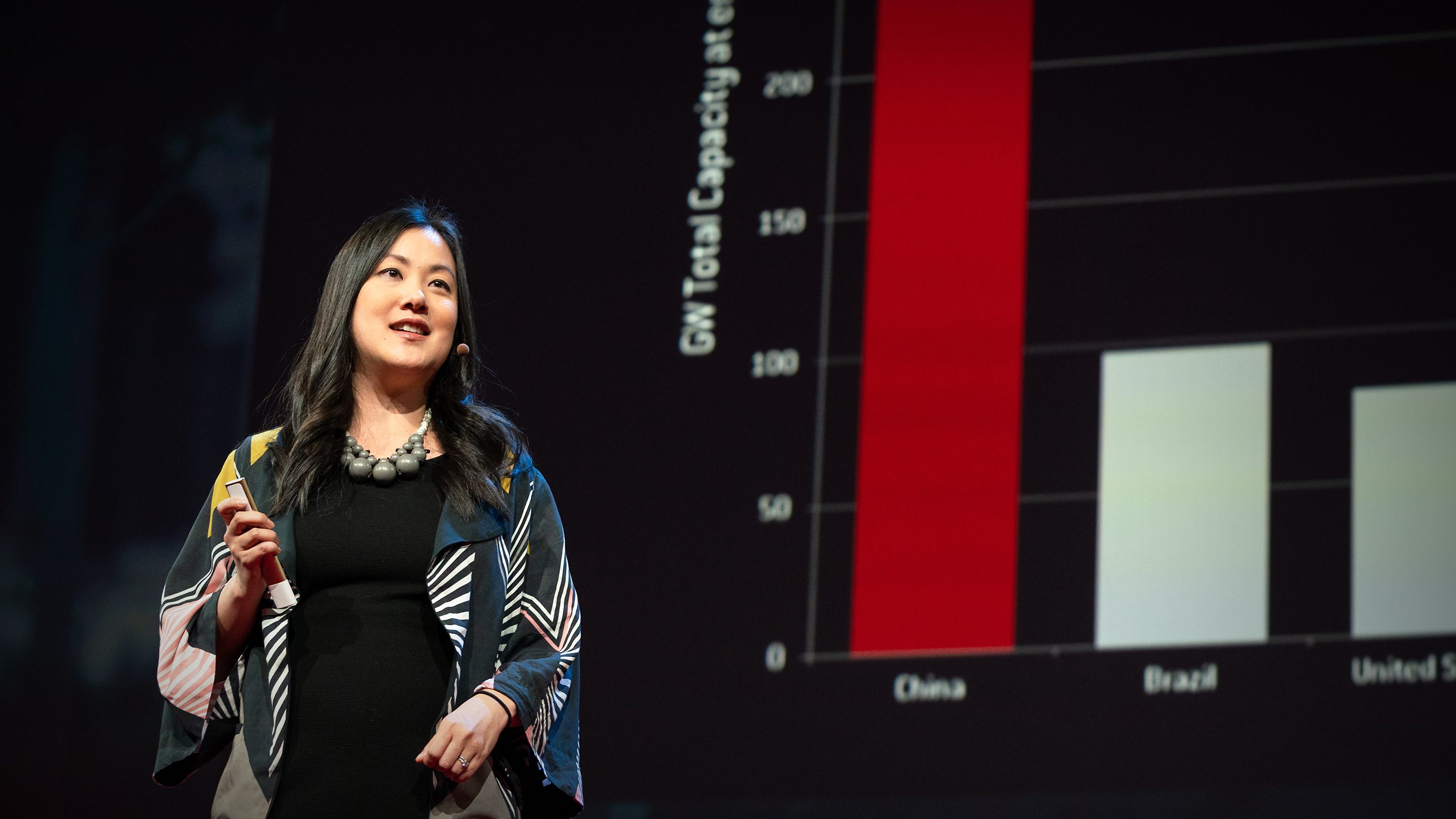
➤ Climate change mitigation and policy • Ocean ecosystems, microbes, plankton, dead zones • Biodiversity conservation and citizen science • Genetics, synthetic DNA, CRISPR, vaccines • Medical monitoring, diagnostics, stem cells • Space and astronomy discoveries • Science communication, bias, research freedomThis podcast features short talks from scientists, physicians, engineers, and policy leaders presenting research findings, emerging technologies, and scientific perspectives from TED and related events. Across the episodes, speakers explain how living systems work at scales ranging from microbes and plankton to entire ecosystems, highlighting the role of ocean life in producing oxygen, the causes and consequences of low-oxygen “dead zones,” and the importance of biodiversity in places like wetlands and the high seas. Several talks focus on threats to environmental stability—especially climate change, pollution, and habitat loss—alongside proposed responses that include carbon removal, renewable or lower-energy cooling approaches, large-scale conservation strategies, geoengineering debates, and data-driven assessments of national climate efforts.
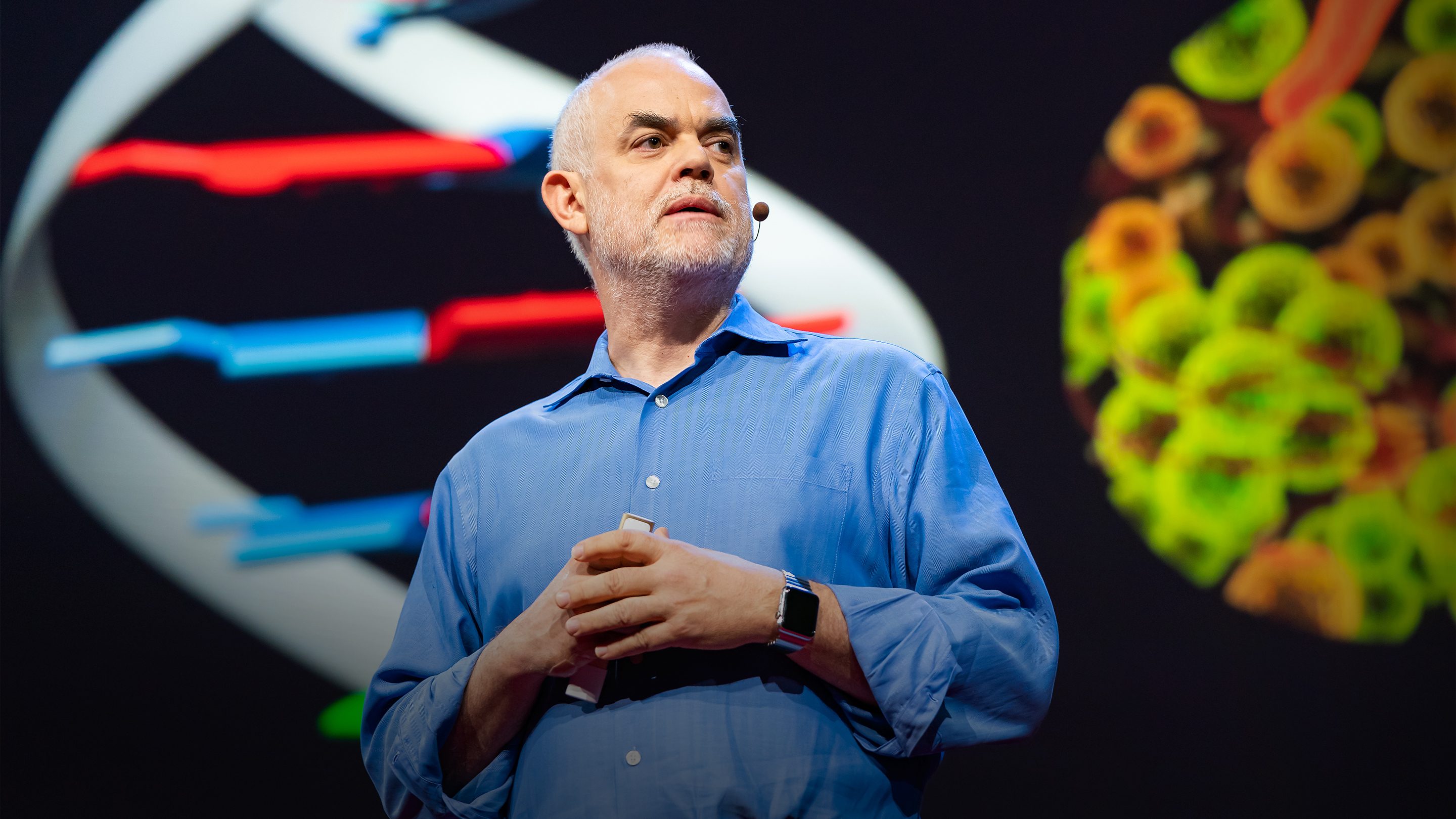
Another recurring theme is biomedical innovation and public health, including new ways to detect disease earlier, monitor vital signs without wearables, advance vaccines, and explore regenerative medicine using stem cells. The podcast also covers synthetic biology and genetic technologies, such as editing DNA, expanding the genetic alphabet, and imagining future applications like digitally transmitting biological instructions.
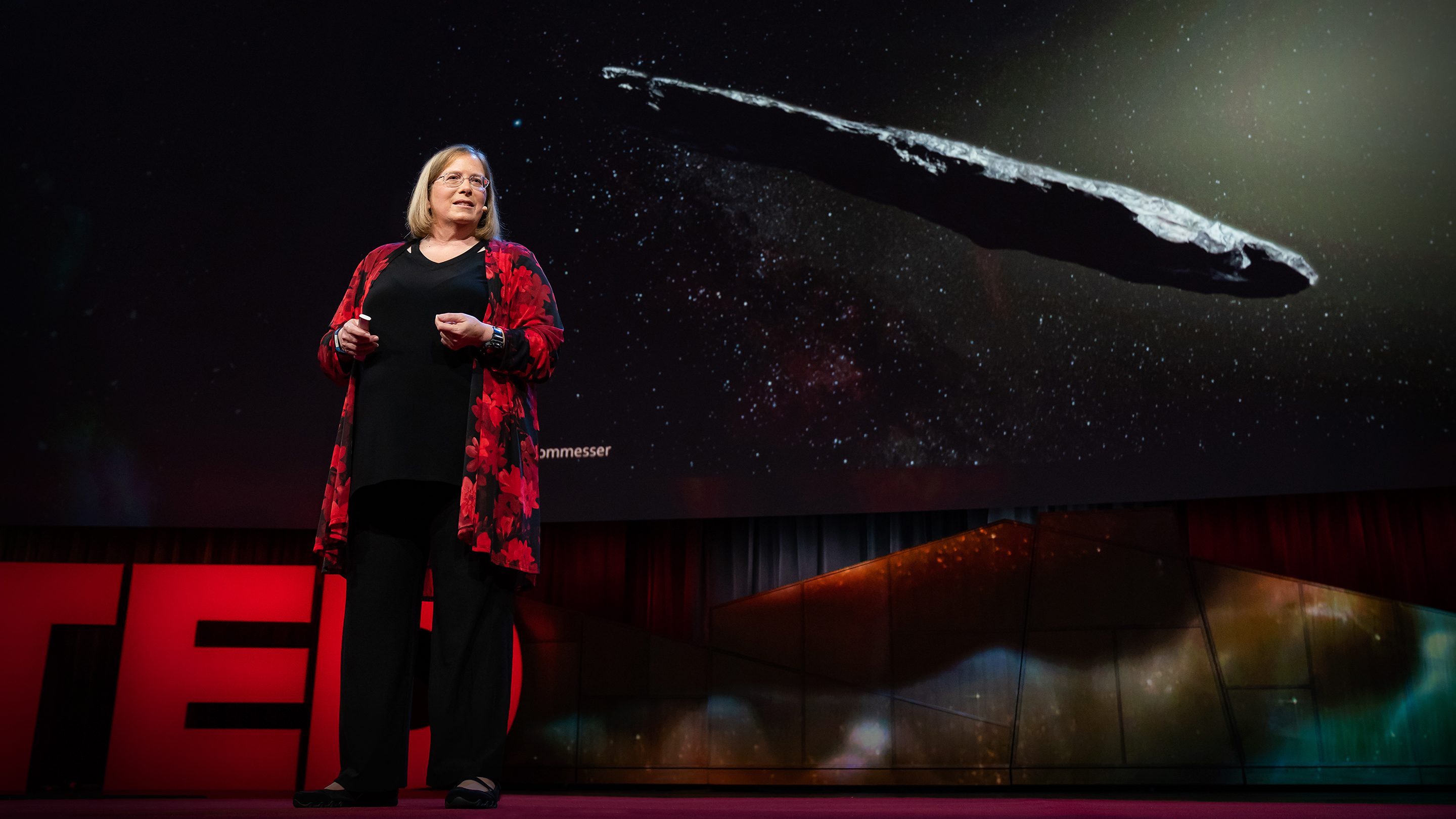
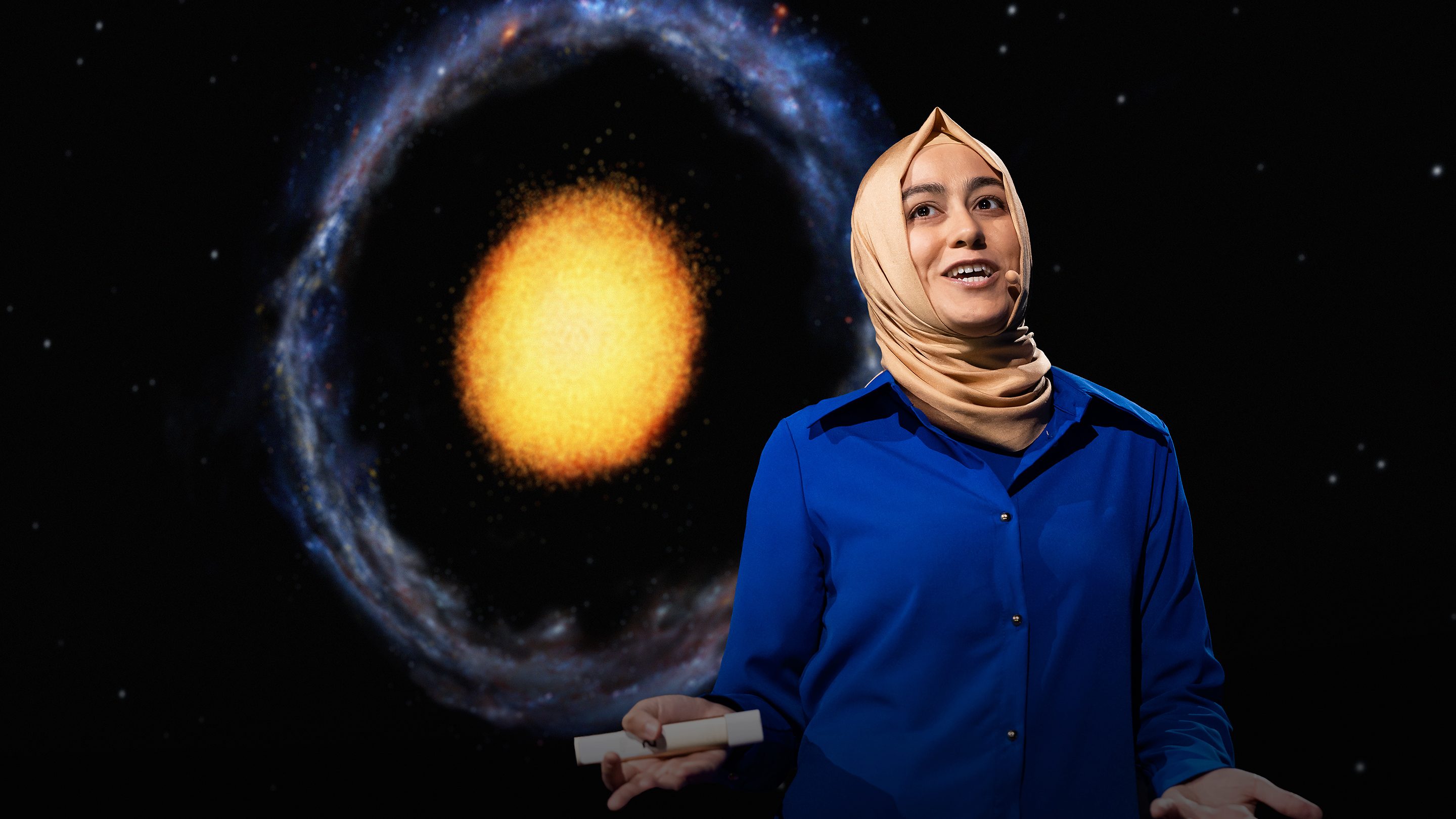
Some episodes broaden into astronomy and planetary science, discussing interstellar objects, galaxy discoveries, the origin of the Moon, and arguments about the likelihood of extraterrestrial civilizations. Alongside technical content, the series includes reflections on how science is practiced and communicated—addressing scientific uncertainty, the role of mistakes, cognitive biases that shape public understanding, and the importance of safeguarding scientific freedom. A smaller set of talks connects science to human experience and crisis response, including healthcare in conflict zones and perspectives on grief.