 Site • RSS • Apple Podcasts
Description (podcaster-provided):
Wonder Cabinet is an independent podcast from Anne Strainchamps and Steve Paulson, Peabody Award-winning creators of public radio's To The Best Of Our Knowledge. For 35 years, that show brought long-form conversations to 200+ stations nationwide; its interviews are now archived in the Library of Congress.Themes and summary (AI-generated based on podcaster-provided show and episode descriptions):
➤ science-and-spirituality dialogues • consciousness, panpsychism, psychedelics, mystical experience • ecological wonder: deep time, flowers, rivers, rights of nature • myth, fairy tales, shamanism, imaginal worlds • attention economy resistance • climate, capitalism reform, social changeThis podcast features long-form conversations that sit at the intersection of science, philosophy, literature, spirituality, and ecology, with “wonder” treated as a serious way of perceiving and interpreting reality. Across episodes, the hosts speak with physicists, neuroscientists, historians, economists, writers, and religious scholars about big questions such as the nature of consciousness, whether mind might be fundamental to the universe, and how scientific worldviews relate to mystical or transcendent experience. Altered states—including psychedelic experiences—appear as topics that sometimes reshape interviewees’ assumptions about mind, matter, and meaning.
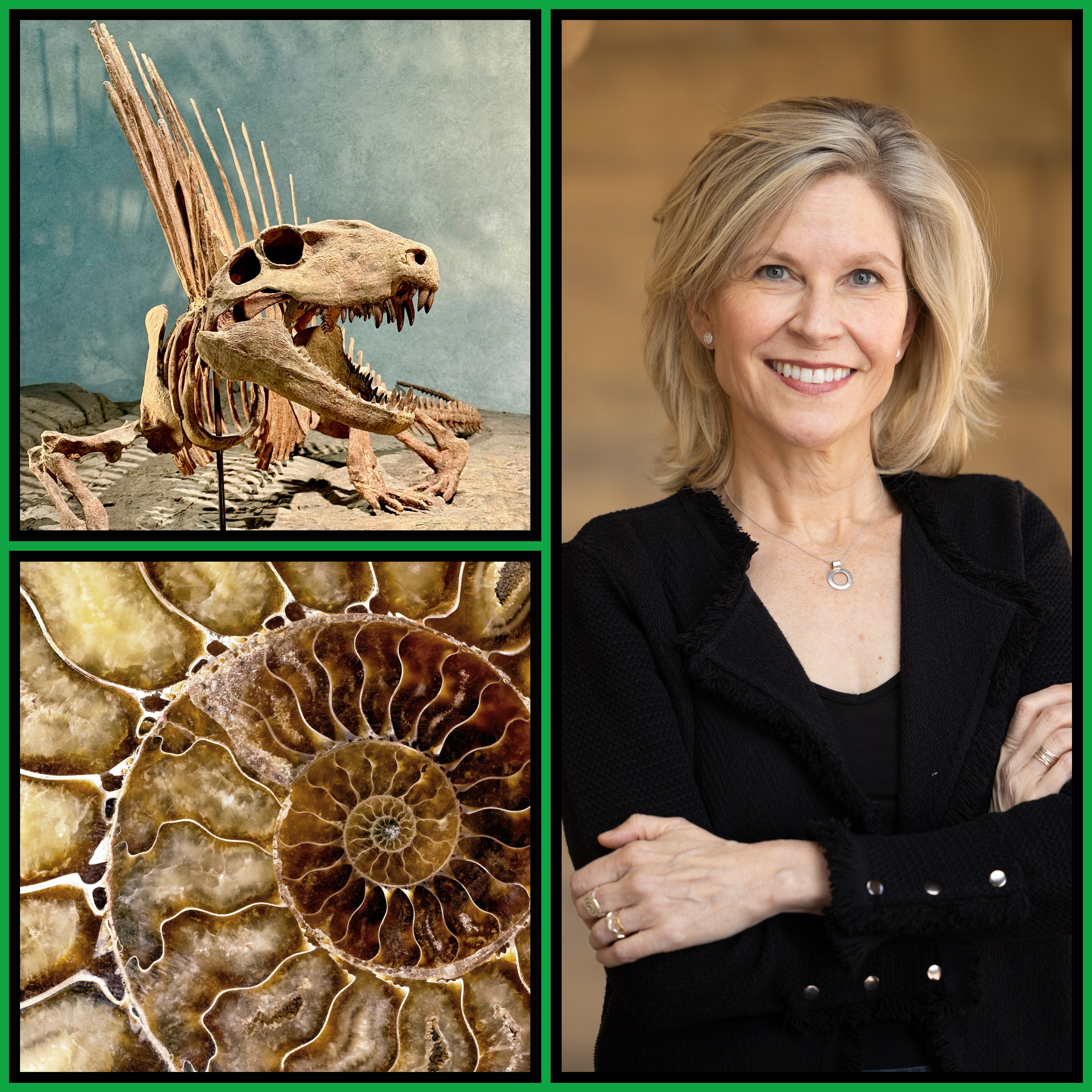
A recurring focus is the living Earth and how people might reimagine their relationship to it. Discussions range from deep time and the cultural power of fossils to the ecological significance of flowers, forests, rivers, and interdependence among species. The show frequently engages traditions that treat nature as animate or sacred—pantheism, Sufism, Tibetan Buddhism, and shamanic practices—while also examining the ethical and political implications of awe, including how wonder can be mobilized or distorted in national mythologies or contemporary tech culture.
Alongside cosmic and ecological themes, the podcast explores attention, imagination, and storytelling as forms of practice. Conversations consider fairy tales, myth, fiction, and the moral imagination, as well as how everyday activities can cultivate richer modes of attention. Social and civic dimensions are present too, including climate action, reforms to capitalism, and movements like “rights of nature,” often framed by questions about hope, responsibility, and how to live meaningfully amid environmental and societal change.